Soft washing and pressure washing solve different problems
Soft washing generally uses a cleaning solution, controlled application, dwell time, and a lower-impact rinse to loosen compatible organic staining and atmospheric film. It can be useful on selected brick, masonry, stucco, EIFS, painted surfaces, canopies, and other materials when the chemistry is tested and protected from people, plants, glass, equipment, and adjacent finishes. Lower pressure does not make every chemical or surface automatically safe; concentration, dwell, temperature, wind, rinse direction, and operator control still matter.
Pressure washing uses water force to remove loose soil, mud, salt residue, traffic film, and some deposits from durable, compatible surfaces. It may suit sound concrete walks, loading aprons, curbs, service yards, and selected masonry after the operator confirms surface strength, joints, coatings, and nearby materials. Excessive force can etch concrete, dislodge mortar, drive water behind siding or trim, damage paint, mark soft stone, and spread contamination. The right estimate describes the actual force, flow, nozzle, distance, and zone rather than relying on the word pressure.
- Use a tested low-impact process for compatible organic staining on appropriate facade materials.
- Use controlled pressure only where the substrate, coating, joints, and surrounding site support it.
- Expect one Hilliard property to need multiple methods by elevation or use zone.
- Do not confuse a cleaning method with repair, restoration, leak diagnosis, or coating replacement.
Read the material before reading the equipment label
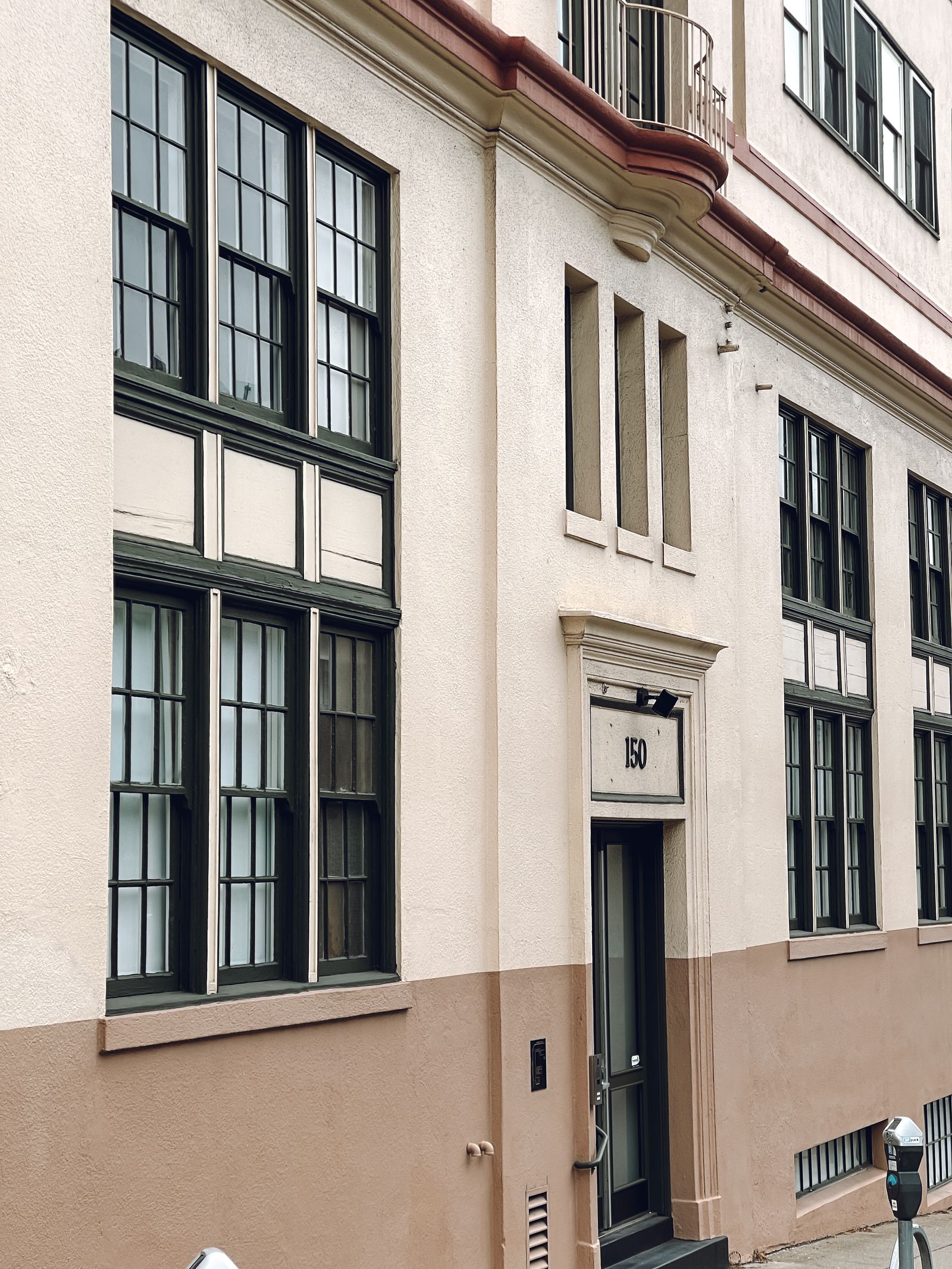
Brick and mortar near Old Hilliard may tolerate a carefully tested cleaning approach but can be vulnerable at failed joints, previous repairs, or weathered faces. EIFS, stucco, painted block, architectural coatings, metal panels, sealants, and older storefront components need their own compatibility review. Glass, door hardware, sensors, louvers, air intakes, and signage often need specific protection or hand work. A soft-wash label does not authorize coating a mixed-material wall with one untested solution.
Concrete is not one condition either. A sound newer apron may respond well to controlled pressure, while aged, cracked, scaled, stained, or previously sealed concrete may show the cleaning pattern or fail under force. Pavers, brick walks, asphalt edges, garage coatings, and expansion joints each change the risk. A representative test area, viewed after drying, is often more informative than a promise made from a distance. The scope should record what improved, what did not, and why.
Let the source of the stain guide the method
Pollen and organic growth can collect on shaded elevations, canopies, ledges, parapets, landscaping edges, and lower walls. In Hilliard, spring pollen and humid summer conditions can make a north-facing wall look different from a sunny south-facing wall. A tested soft-wash process may help when the material and condition are compatible. Loose dust may instead need a controlled rinse. Mud and salt on a service yard may need pressure and recovery. A green or black color alone cannot identify the soil.
White deposits can be minerals or efflorescence, not biological growth. Orange or gray marks may be oxidation, exhaust, metal runoff, or traffic film. A narrow dark streak below a gutter, scupper, planter, or irrigation head may keep returning because the wall is repeatedly wet. Pressure can spread a stain, while chemistry can affect a coating or plant. A good inspection names the likely source, the proposed test, and the result that is reasonable for that condition instead of selling one method as a cure-all.
Hilliard access changes the practical answer
Cemetery Road links Old Hilliard with I-270 and carries properties where visibility, traffic, sidewalks, and shared access affect staging. Main Street and Old Hilliard storefronts may need close pedestrian coordination. Britton Parkway, Avery Road, Leap Road, Hilliard Rome Road, and US-33 approaches can bring different drive lanes, landscaping, loading activity, and drainage paths. A method that works on an empty wall may be inappropriate beside a patient drop-off, active storefront, or trailer lane. The cleaning sequence should follow how the site operates.
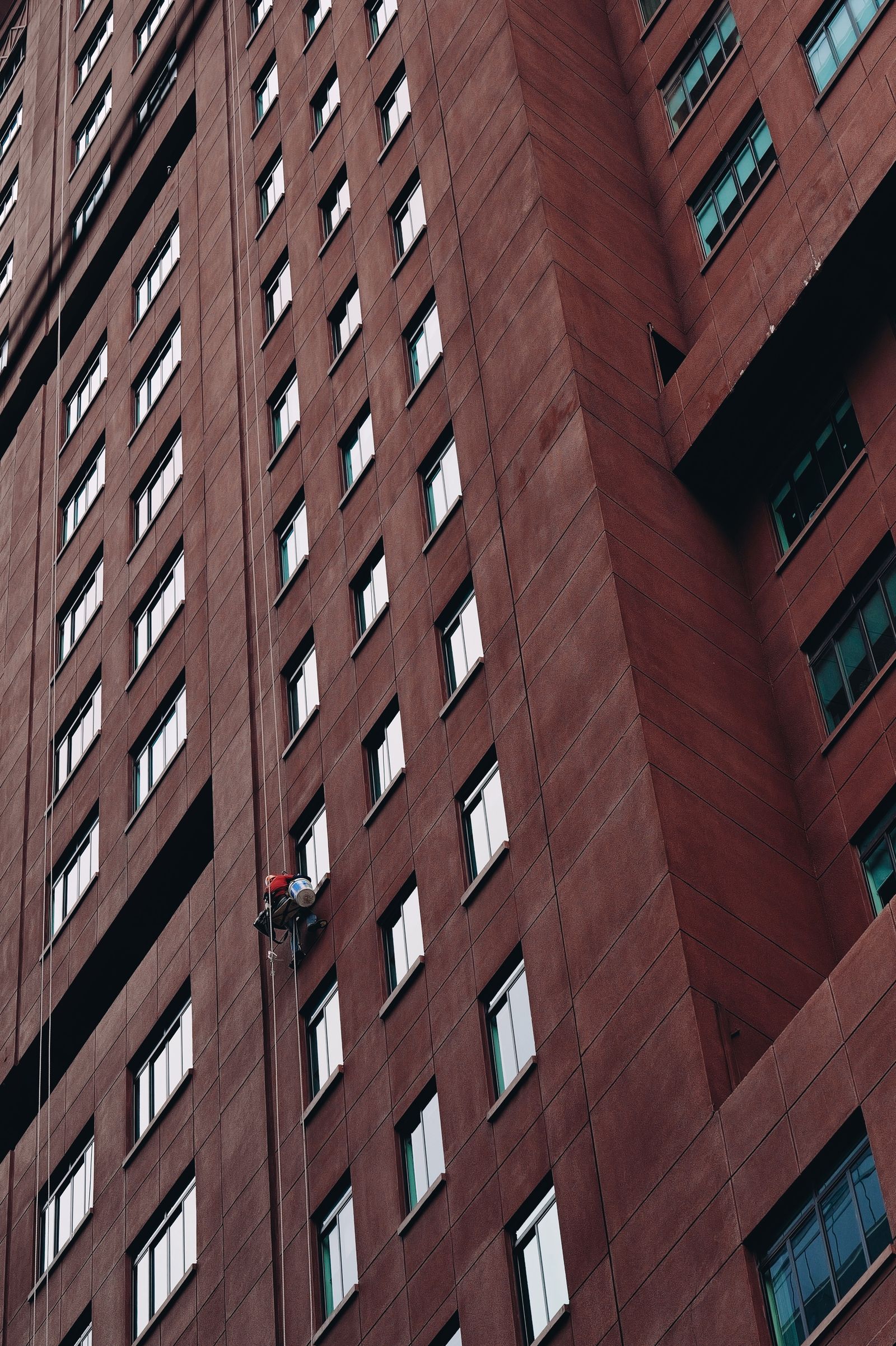
Aerial assistance can sometimes reach a broad upper facade without placing a lift across every parking space, but it is not a replacement for every access method. An aircraft cannot brush, squeegee, scrape, polish, inspect close defects, or repair a failed joint. Wind, trees, utilities, roof equipment, people, vehicles, launch and recovery space, visual control, and applicable FAA requirements matter. Ask which areas are aerial, lift, pole, ground, and hand-detail work, and what the backup plan is when conditions change.
Protect occupied properties and Hilliard runoff paths
Method selection is also a people and property decision. Before work begins, identify accessible paths, entrances, doors, air intakes, electrical equipment, cameras, signs, vehicles, landscaping, tenants, deliveries, and emergency access. A retail or medical site may need early, late, weekend, or phased work. An office may prefer separated elevations. A warehouse may need a spotter. The best method is the one that can be controlled without making the property unusable or exposing adjacent materials to unintended flow.
Runoff should be discussed before solution or rinse water is applied. Hilliard parking areas can move water toward curb inlets, swales, planted areas, and neighboring drives; the Leap Road corridor also illustrates why drainage deserves attention during heavy rain. The property and contractor should agree on water access, diversion, collection or recovery where needed, plant protection, disposal assumptions, and stop-work triggers. A drain is not blanket permission for treated water to enter it, and a wash should not be presented as stormwater-system maintenance.
Use a method matrix instead of a one-word recommendation
For a Hilliard office facade with compatible organic staining, a tested soft wash followed by a controlled rinse may be a sensible starting point. For a concrete loading apron with embedded traffic soil, controlled pressure may be more useful. A mixed retail property could use soft washing on brick and EIFS, low-flow or hand work around storefront glass and signs, and controlled pressure on selected concrete walks. A warehouse might need separate plans for a metal wall, loading apron, exhaust film, and active dock. The estimate should show these boundaries.
Ask for the substrate, observed condition, proposed method, test area, access equipment, protection, occupied-site controls, water and runoff assumptions, weather limits, expected finish, exclusions, and closeout record. If a stain remains because it is mineral, oxidized, embedded, or tied to a leak, that is useful information. A clean-looking estimate is not one that promises every mark will disappear; it is one that makes the method and limitations clear enough for a facility manager to approve.
Request a Hilliard recommendation that can be acted on
Send the address, building use, materials, approximate height, target elevations, photos, stain description, operating hours, water access, drains, irrigation concerns, access restrictions, and desired timing. Mention any previous cleaning, coating work, leaks, loose masonry, salt exposure, or tenant requirements. For properties near Cemetery Road, Britton Parkway, Old Hilliard, Leap Road, Hilliard Rome Road, or I-270, identify the busy entrance, loading route, sidewalk, and parking constraints so the estimate reflects the actual site.
Call +1 239-351-2897 or email contact@dronebuildingcleaners.com for a Hilliard commercial cleaning review. Drone Building Cleaners can help separate soft-wash, controlled-pressure, hand-detail, aerial, lift, and specialty-treatment zones, then provide a quote focused on the building condition and the way your property needs to operate.